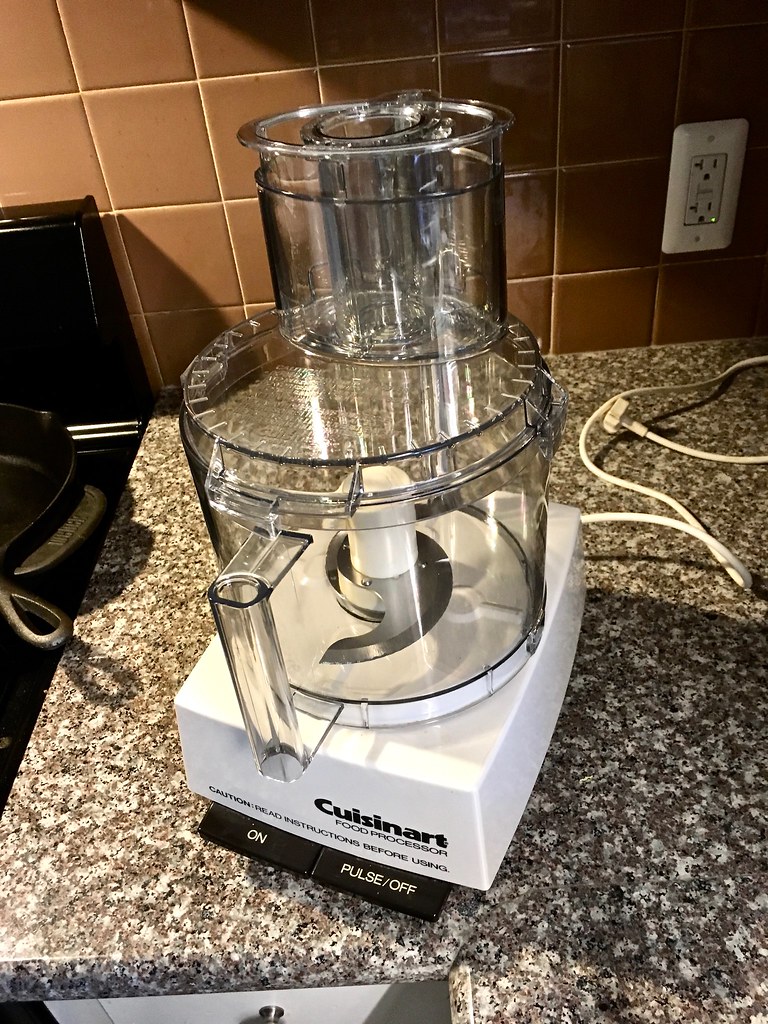
Spring is a natural reset point for home maintenance, and appliances deserve a spot on that list alongside gutters and HVAC filters. Winter months mean more indoor cooking, heavier laundry loads, and appliances running harder in general. A spring checkup catches the wear that accumulated over the colder months before summer heat and humidity add their own strain on top of it.
Why Spring Is the Right Time for a Full Appliance Tune-Up
Appliances do not fail on a predictable schedule, but certain seasonal patterns make spring a logical checkpoint. Winter cooking and holiday hosting put dishwashers, ovens, and disposals through heavier use than the rest of the year. Furnace operation through winter circulates more dust throughout the house, which settles on refrigerator condenser coils and dryer vent components. Addressing all of this in spring, before summer's heat and humidity add compressor strain on top of it, gives your appliances their best shot at running efficiently through the hottest months.
Kitchen: Refrigerator, Oven, and Range Hood
Refrigerator Coils and Gaskets
Vacuum the condenser coils, usually located behind a bottom kick panel or on the rear of the unit, to remove the winter's accumulation of dust. While you are there, run the dollar bill test on the door gaskets: close the door on a bill and pull it out. If it slides free easily, the gasket needs replacing before summer humidity makes a weak seal even more of a liability. This is also a good time to confirm the unit is level and has adequate airflow clearance on all sides. If you notice the compressor running longer than it used to even after cleaning the coils, it may be time for professional refrigerator repair rather than continued DIY troubleshooting.
Oven Temperature Calibration
Place an oven-safe thermometer on the center rack, set the oven to 350 degrees, and check the reading after the preheat cycle plus an additional 20 minutes. If the actual temperature is consistently 15 to 20 degrees off from the setting, most ovens have a calibration adjustment that can correct a steady offset. A spring check is a good habit because baking and roasting typically pick up again with warmer-weather entertaining, and inaccurate temperatures show up fastest in delicate baked goods.
Range Hood Filter
Metal mesh range hood filters trap grease from months of cooking and gradually lose effectiveness as they become saturated. Most can be soaked in hot water with degreasing dish soap for 10 to 15 minutes, then rinsed and dried before reinstalling. A clean filter improves the exhaust fan's ability to actually pull grease and moisture out of the kitchen air rather than letting it settle on nearby cabinets. If your range hood fan seems weaker than it used to be even with a clean filter, the motor or ductwork may need inspection.
Dishwasher and Garbage Disposal
Remove and rinse the dishwasher's lower filter, which collects food particles and can develop odor or reduce cleaning performance if left unchecked for months. Run an empty cycle with a dishwasher cleaner or white vinegar to clear mineral scale and residual grease from the spray arms. For the garbage disposal, run cold water through it for 30 seconds to confirm smooth operation, and check underneath the sink for any moisture that could indicate a slow leak at the mounting assembly. If your dishwasher has been leaving a film on dishes despite a clean filter, the spray arm nozzles themselves may be partially clogged and worth a closer look, and a garbage disposal that hums without spinning usually just needs its reset button pressed after clearing whatever jammed it.
Laundry Room: Washer Hoses and Dryer Vent
Inspect the rubber supply hoses behind your washing machine for any bulging, cracking, or discoloration. Rubber hoses degrade from the inside over years of constant water pressure and are a leading cause of unexpected laundry room flooding. Most plumbing professionals recommend replacing rubber hoses with braided stainless steel versions every three to five years regardless of visible condition, since internal wear is not always apparent from the outside. While you are back there, check that the washer is level and that the drain hose is not kinked. For the dryer, confirm the exterior vent flap opens freely when the dryer runs and that airflow feels strong at the exterior termination point. A weak airflow reading suggests lint accumulation inside the duct that a full dryer vent cleaning would resolve.
A Room-by-Room Spring Checklist
Refrigerator: clean condenser coils, test door gasket, confirm level and airflow clearance. Oven: verify temperature accuracy with a thermometer. Range hood: clean or replace the grease filter. Dishwasher: clean the filter, run a cleaning cycle, check spray arm nozzles. Garbage disposal: run water through it, check for leaks underneath. Washing machine: inspect supply hoses, confirm level, check drain hose for kinks. Dryer: test exterior vent flap airflow, listen for unusual noise during a cycle.
When to Call a Professional Instead of DIY
Most of this checklist is safe and straightforward for a homeowner to handle solo. Call for professional help when you find a gasket that needs replacement, a refrigerator that keeps running hot despite clean coils, an oven with a calibration offset that changes unpredictably rather than staying consistent, or a dryer vent with a suspected animal nest or a run longer than you can safely clear yourself. Homeowners throughout Vienna and Great Falls who complete this checklist every spring consistently report fewer emergency calls during the demanding summer months that follow, when compressors and motors already face their heaviest seasonal load.