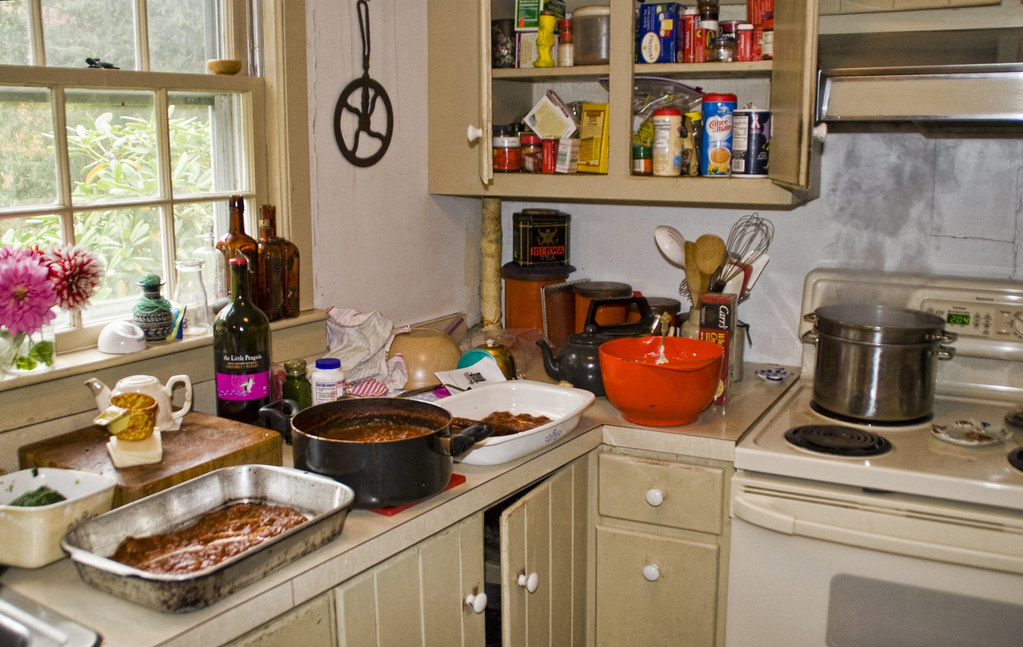
A normal oven should reach 350 degrees Fahrenheit within 7 to 12 minutes for electric models, slightly faster for gas. When that stretches to 15, 20, or more minutes, something is quietly reducing your oven's heating efficiency. The good news is that slow preheating rarely means the oven is about to fail entirely. It usually means one specific component is underperforming, and figuring out which one narrows down the fix considerably.
A Weak Bake Element
In electric ovens, the bake element at the bottom of the cavity does most of the work during preheating. A fully failed element is obvious: it will not glow at all, and the oven will not heat. A weakening element is subtler. It still glows and produces heat, but at reduced wattage compared to when it was new, often because of internal coil degradation that increases electrical resistance without causing a complete break in the circuit.
The result is an oven that does eventually reach temperature, just more slowly than it used to. This kind of gradual decline is easy to miss because there is no dramatic failure moment, just a creeping increase in preheat time over months. A technician can confirm this with a multimeter resistance test, comparing the element's actual resistance to its rated specification. If you notice your oven has been getting slower to preheat over recent months rather than suddenly, a weakening bake element is a strong candidate, and our oven repair team can test it during a single visit.
Igniter Degradation in Gas Ovens
Gas ovens rely on an electric igniter to open the gas safety valve and light the burner. Unlike electric elements, igniters do not gradually weaken evenly. Instead, as they age, they draw progressively less current, which delays how quickly they reach the temperature needed to trigger the safety valve to open fully. This produces a noticeably slower or weaker flame at the start of preheating, even though the oven typically heats at a normal rate once the flame is fully established.
A telltale sign of igniter wear is a longer-than-normal delay between when you set the oven and when you first hear or see the burner ignite, sometimes stretching to 60 to 90 seconds compared to the 30 to 45 seconds a healthy igniter takes. If this delay has been growing, the igniter itself, not any other component, is usually the cause. Our gas appliance repair technicians replace igniters regularly, and it is one of the more common gas oven repairs we see.
Temperature Sensor Drift
The temperature sensor, a small probe mounted on the oven's rear or side wall, reports the cavity temperature to the control board, which decides when to cut power to the heating element. If this sensor drifts and reads lower than the actual oven temperature, the control board keeps heating longer than necessary because it believes the target has not yet been reached, even after the air inside has already warmed sufficiently.
This is a subtly different problem than a weak element, because the true heating capacity of the oven has not actually declined. The oven is heating normally; it is simply being told to keep heating past the point it should stop. A sensor drift issue often shows up alongside baking results that seem overdone despite the recipe's stated time, since the oven is running hotter than the display suggests for longer than expected. Testing with an independent oven thermometer, as described in general oven troubleshooting, can help confirm whether the sensor or the element is the actual source of the slow preheat.
Convection Fan Failure
Ovens that use convection mode during preheating rely on a fan to circulate hot air evenly through the cavity. When this fan slows down or stops entirely, heat concentrates unevenly near the element rather than spreading throughout the space. Depending on where the temperature sensor is positioned relative to the fan, this can cause the sensor to read a lower average temperature than the cavity is actually reaching in hotter spots, extending the apparent preheat time as the control board waits for the sensor reading to catch up.
You can often identify a failed convection fan by listening for the low hum it normally produces during preheat and noticing if that sound is absent, or if you can visually see through the oven window that the fan blade near the rear wall is not spinning.
Door Seal Gaps
The gasket running around the oven door frame keeps heat contained inside the cavity. As this seal ages, it can compress, crack, or tear, allowing warm air to escape continuously during preheating and normal baking. The heating element has to work longer to compensate for this ongoing heat loss, similar to how a drafty window forces a furnace to run more to maintain the same indoor temperature.
You can perform a simple check by closing the oven door on a dollar bill at several points around the frame and gently pulling it out. If it slides out freely at any point, the seal is not making full contact there. Door seals are one of the more affordable repairs on this list and are worth checking before assuming a more expensive component like the element or sensor is at fault.
When Slow Preheating Signals Something Bigger
A gradual increase in preheat time over months is usually one isolated component reaching the end of its service life, and repair is typically straightforward. If preheat time suddenly jumps dramatically, doubling or tripling overnight rather than creeping up slowly, or if the oven displays error codes alongside the slow heating, that points to a more acute failure, possibly involving the control board itself, and is worth having diagnosed sooner rather than later. Homeowners throughout Fairfax and Falls Church City with ovens in the 8 to 15 year range are the most frequent callers for slow preheat complaints, since that is typically when elements, igniters, and sensors reach the natural end of their expected lifespan.